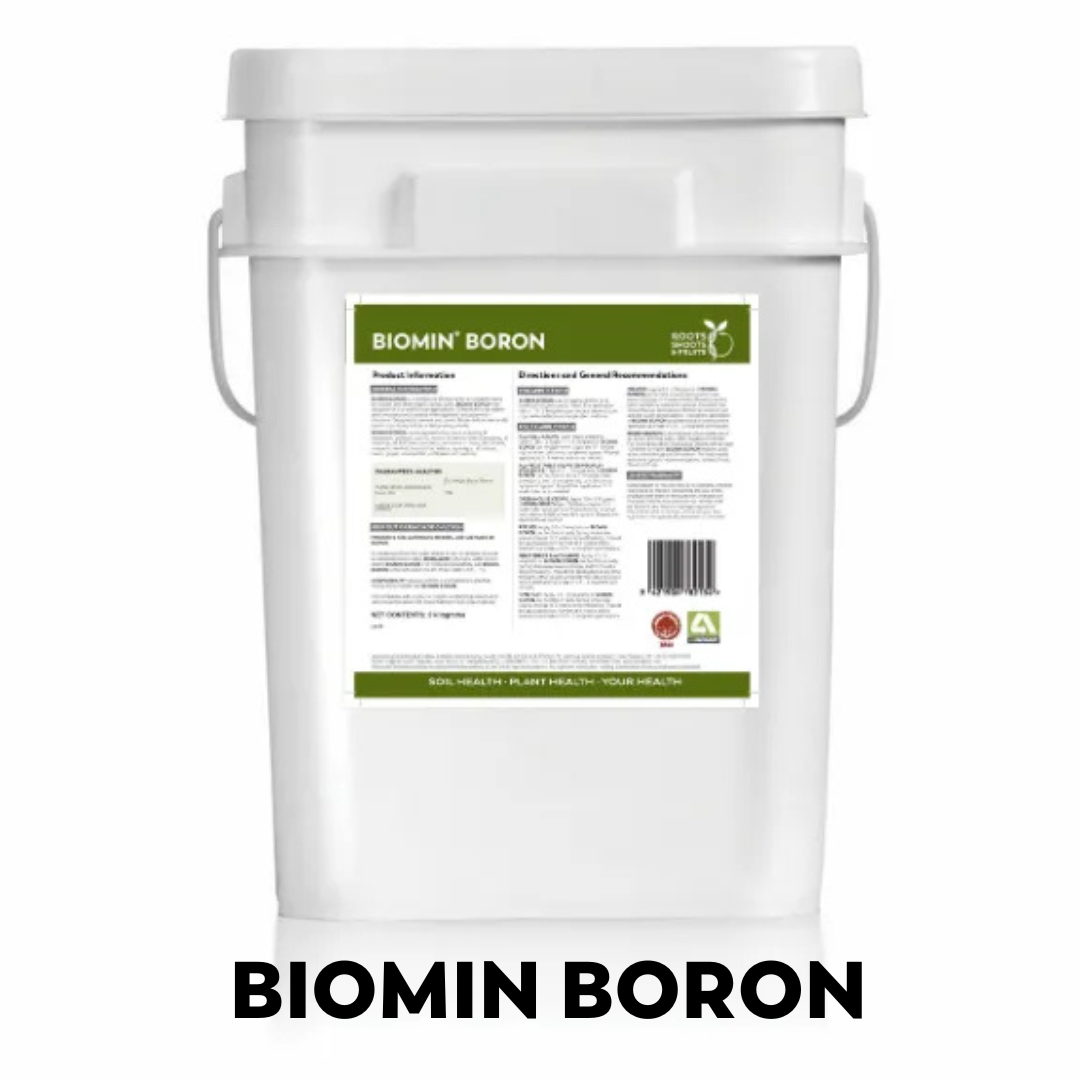
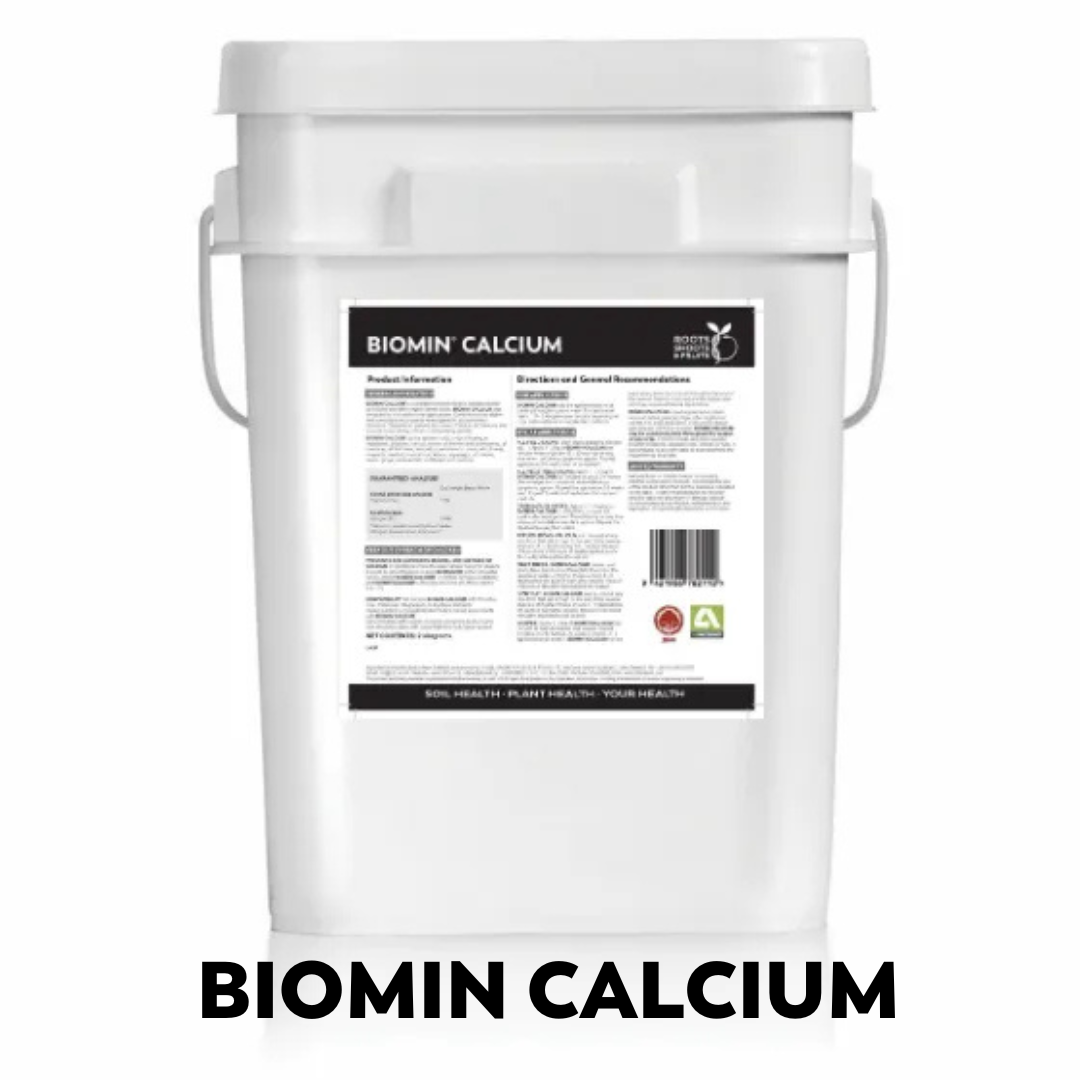
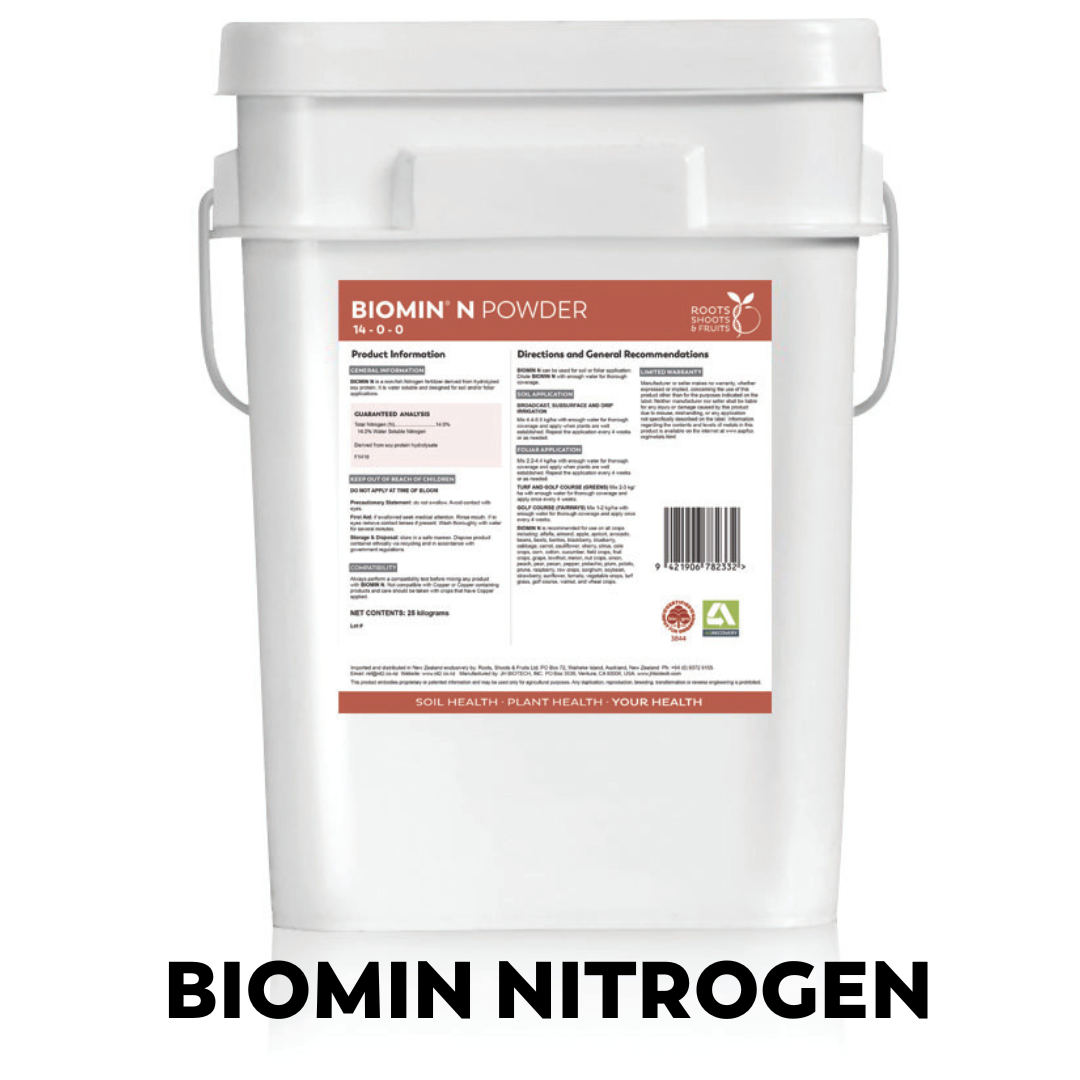
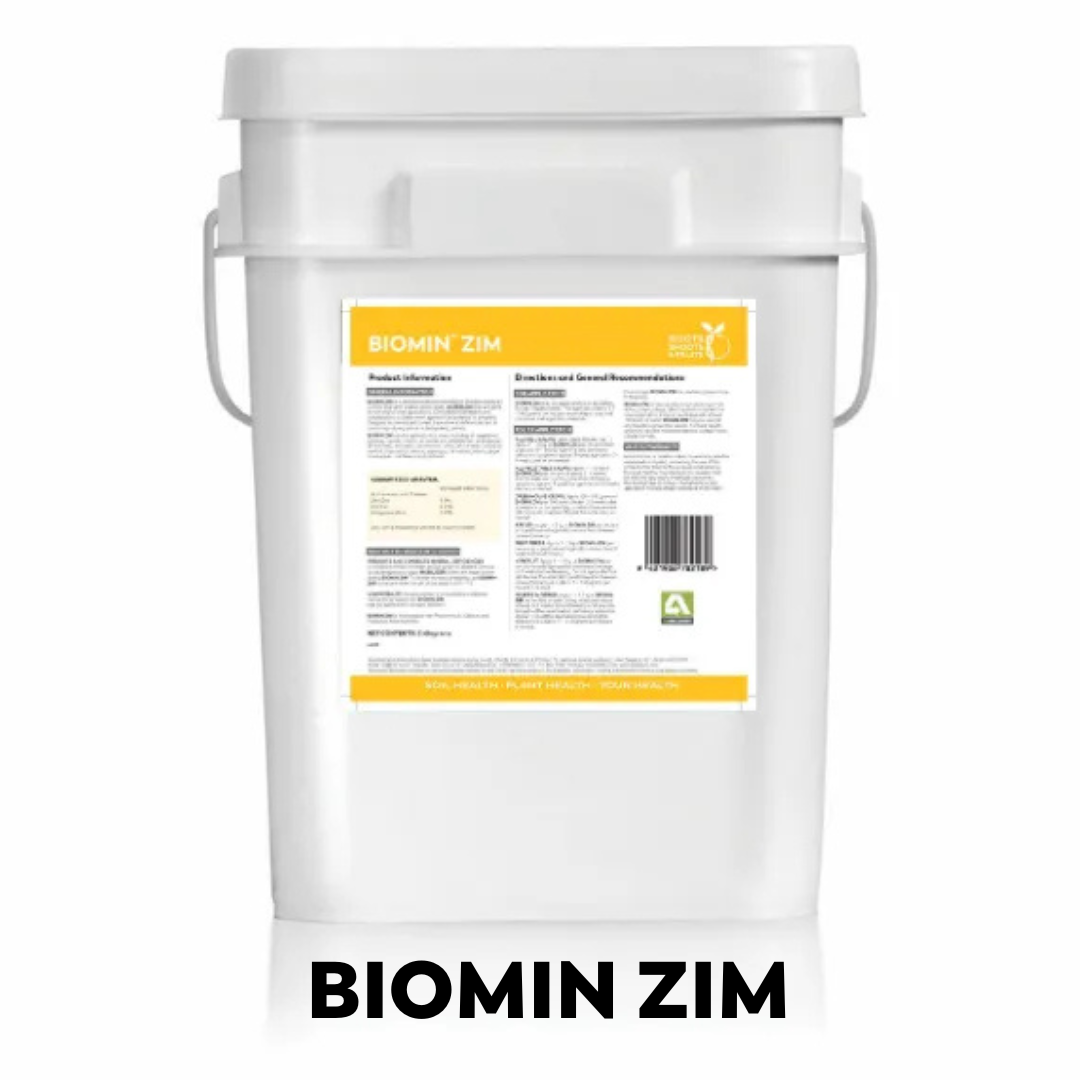
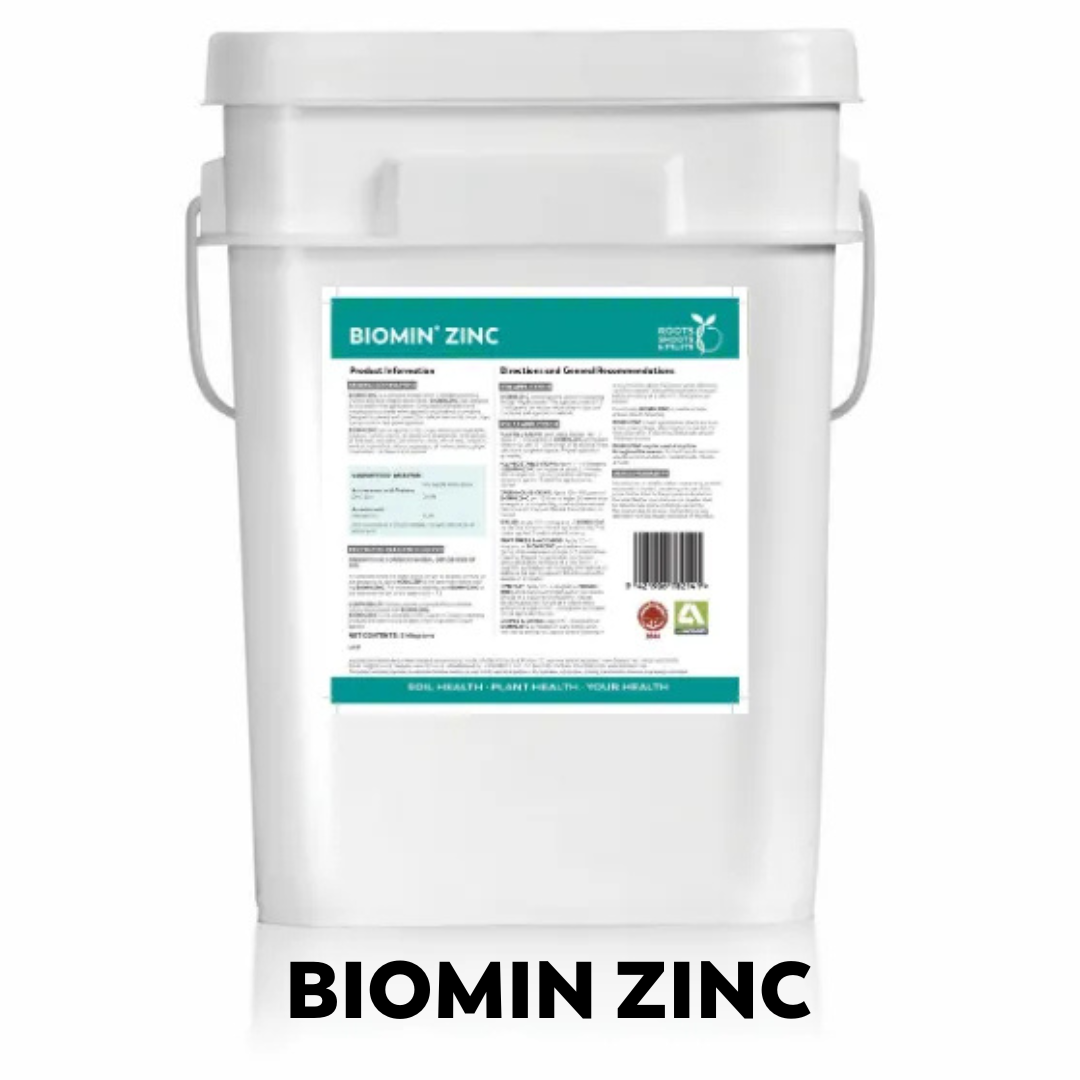
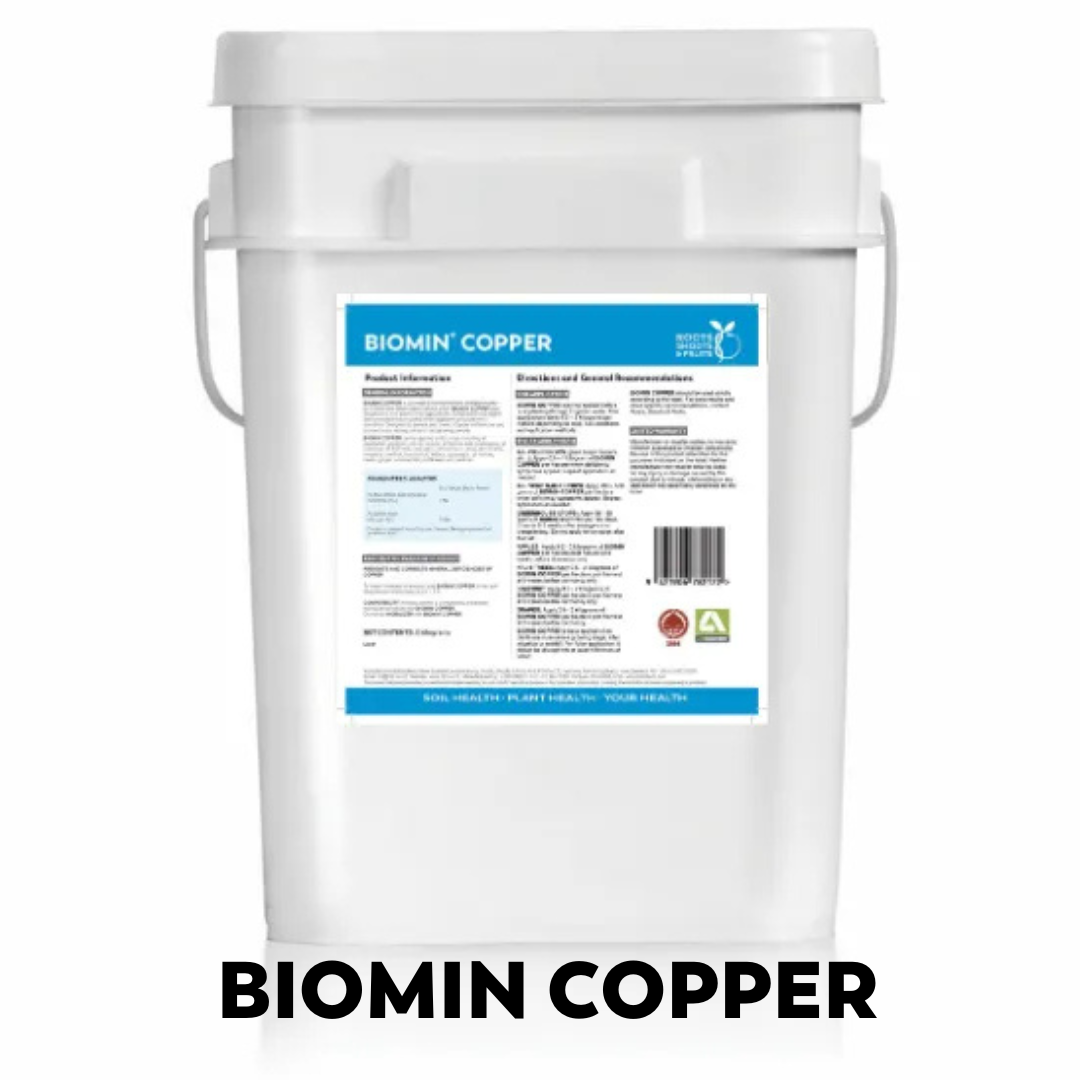
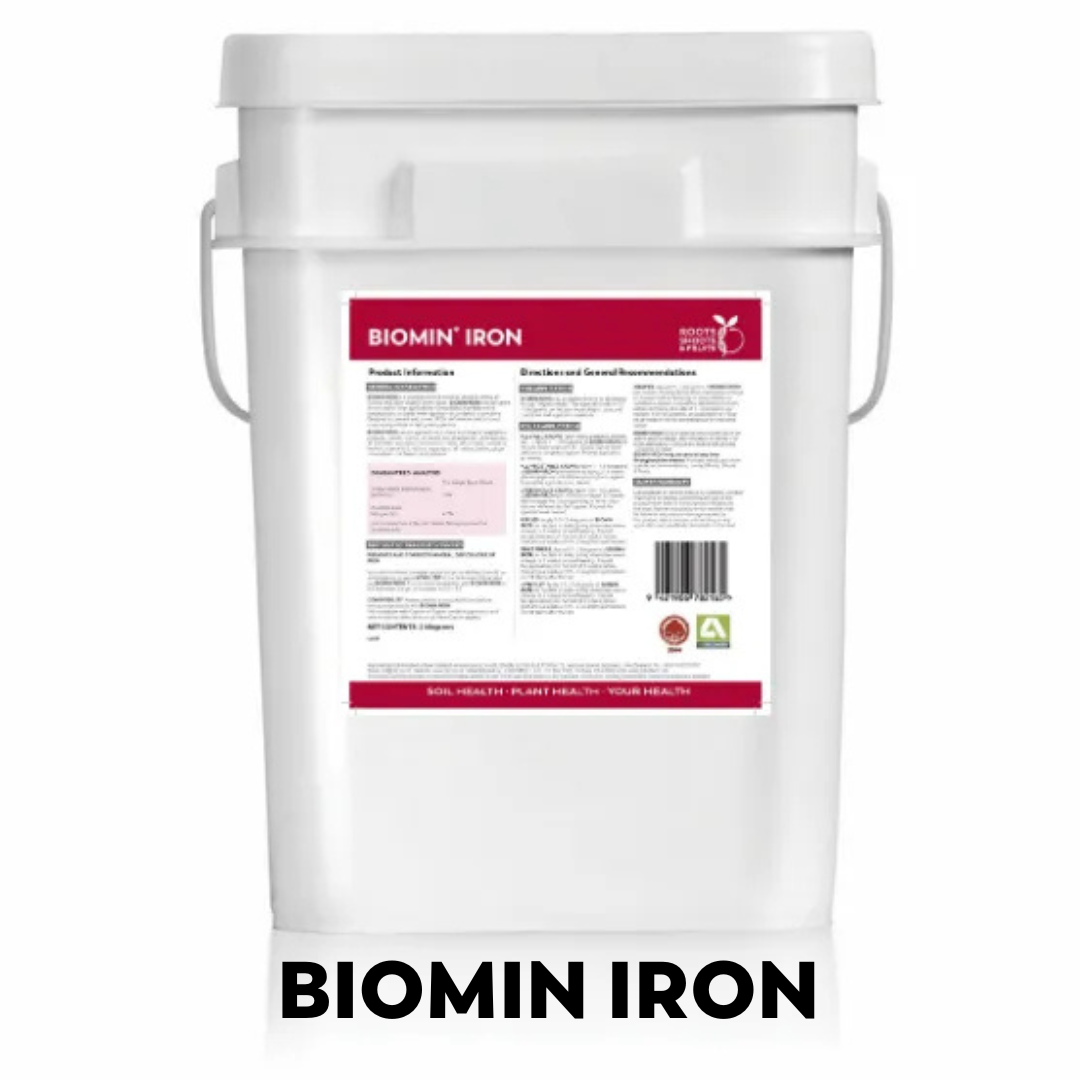
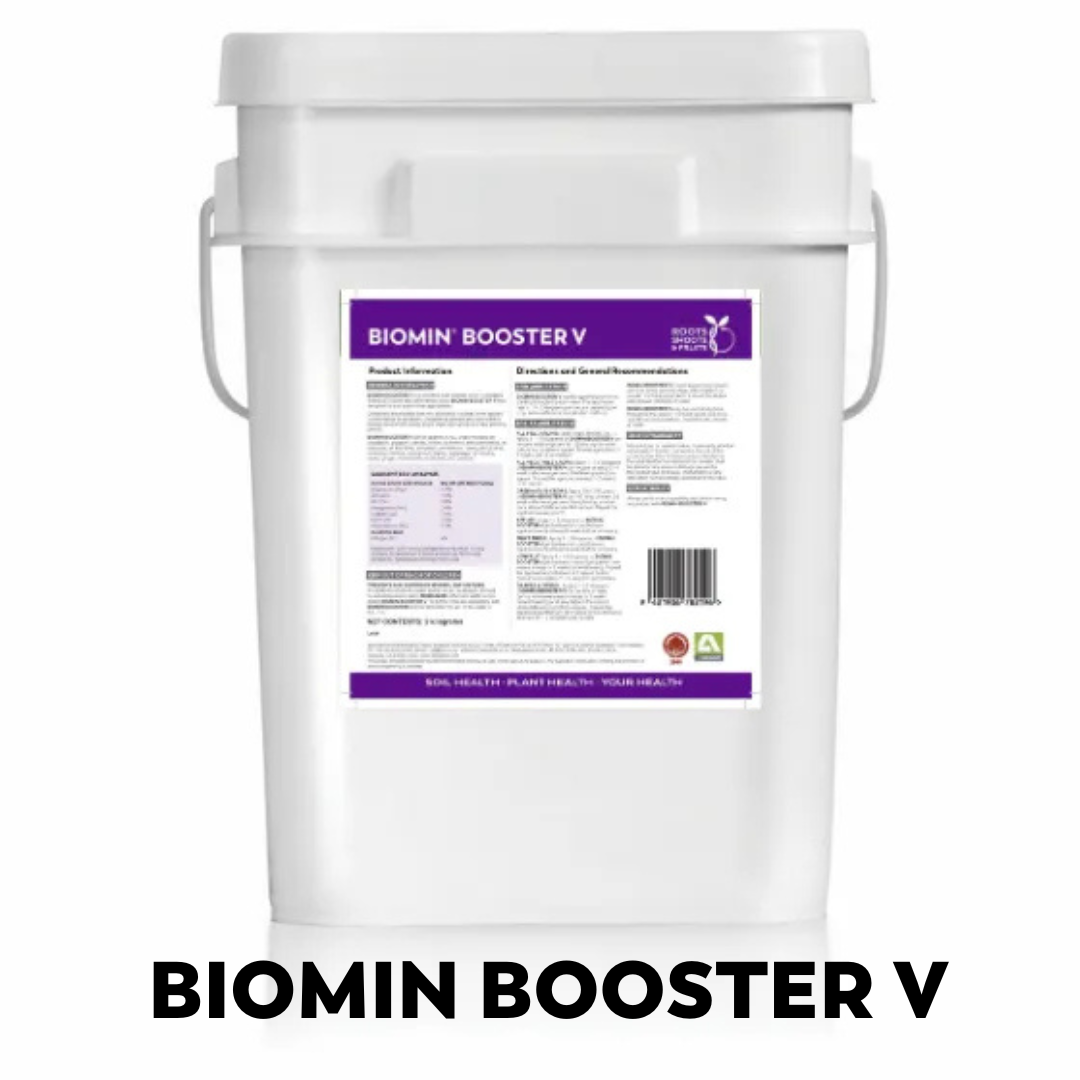
The most common plant nutrition formulations available to growers are in the form of oxides, sulphates and EDTA chelates. EDTA are synthetic chelates and so are not recognised by plants and their ability to correct deficiencies is slow and inefficient.
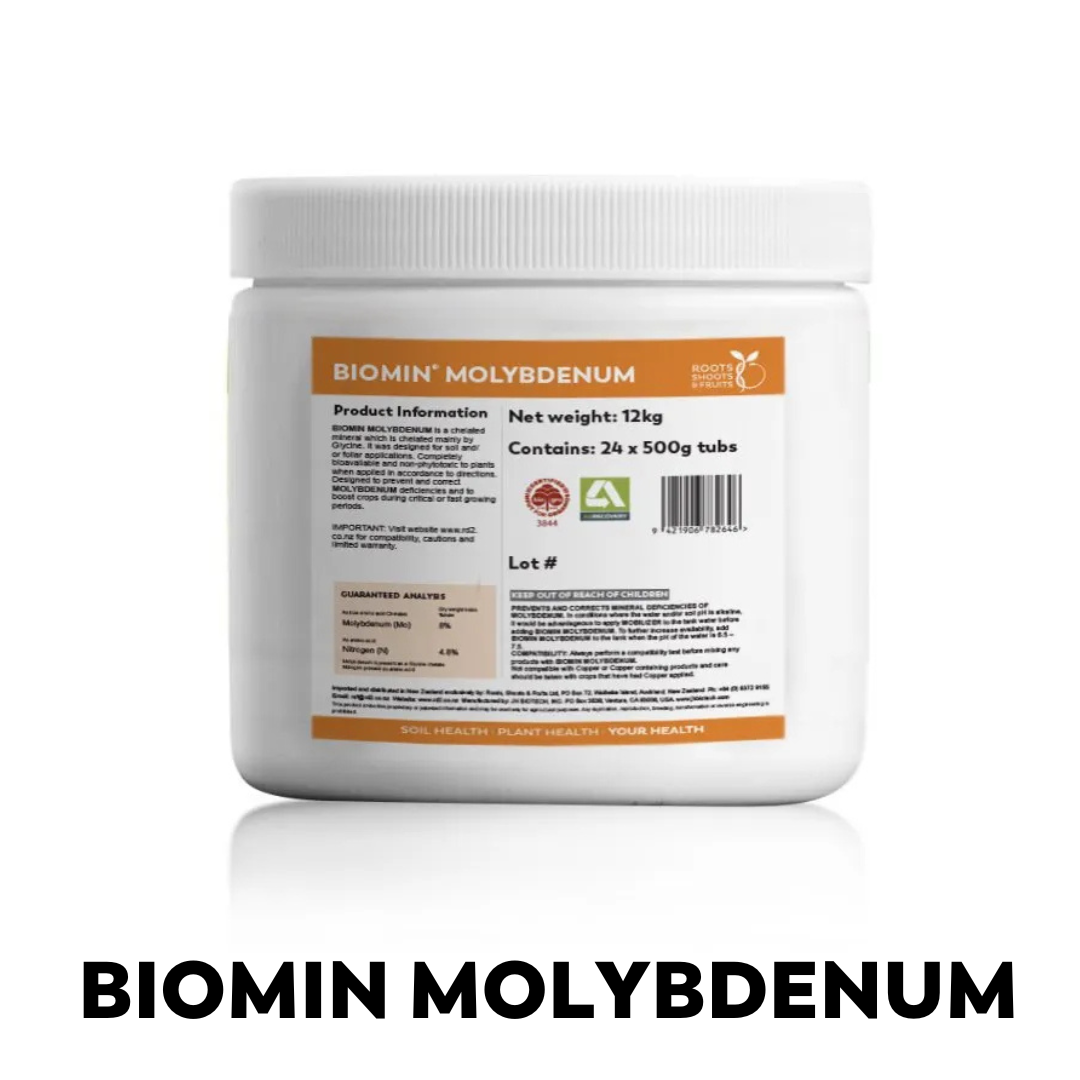
Biomin glycine chelated minerals for high-quality plant nutrition offer growers proven technology to address deficiencies from nitrogen to all essential trace elements, including magnesium and calcium.
The difference between Biomin glycine chelated minerals and synthetic chelates is the patented process which uses two Glycine molecules to create a fully chelated product. This technology holds a global patent branded under the name Biomin and Roots, Shoots & Fruits have been the sole distributors of these environmental products in New Zealand for over 20 years.
Why is BIOMIN Glycine chelation superior to synthetic chelates?
- Glycine is an amino acid protein that is recognised and easily metabolised by plants – Indeed plants are made of Glycine
- Biomin are very small – measured in atomic units, they can permeate plant parts
- They have a neutral charge allowing Biomin to enter the stomates unimpeded.
- Highly bioavailable, meaning nutrients are easily absorbed and translocated within the plant to areas of need
- 100% water and wax-soluble enabling both foliar and soil applications.
- Glycine chelation offers a wide range of pH applications above and below pH 7.
- Glycine chelated products are chemically stable allowing them to be integrated into existing fertilisation practices.

The efficacy of Biomin Glycine chelated mineral plant nutrition means that deficiencies are quickly and systemically addressed. For you, the grower, this means lower rates and therefore less applications lowering fuel costs, reducing compaction, and lowering emissions. Growth and yield are improved as well as overall plant and soil health.
How do synthetic chelation formulas compare?
By comparison, synthetic chelates vary in their ability to effectively address plant nutrition requirements and correct deficiencies.
Nutrients in an oxide form are often water-insoluble and it takes a long time for them to be taken up by crop root systems. This makes them an expensive option if nutrient deficiencies require immediate attention.
Sulphates are usually quite available, but they are a salt and require multiple applications. While they give a quick initial burst of nutrients, this can cause demanding crops to rapidly become deficient again. One of their most unfortunate characteristics is how reactive to other chemicals they are, and this requires extra care when using Sulphates.
EDTA chelates form much larger molecules, with materials foreign to plants that can get stuck upon entering and have difficulty moving internally.
Glycine chelated micronutrients have higher mobility, enabling the plant to transport them wherever they are needed and remain available for longer. This is true even for elements like Zinc, Boron and Calcium, which in elemental form have low mobility.
Biomin Glycine chelated mineral plant nutrition for pre-season.
With crops all around Aotearoa New Zealand coming into the crucial pre-flower and flowering stages with fruit set just around the corner, now is the perfect time to address mineral deficiencies and ensure all plant nutrition requirements are addressed.
All the macronutrients, Nitrogen, Phosphorus and Potassium, are needed across a wide spectrum of crops but it’s important to remember the role of micronutrients also. While not needed to the same degree as the three major nutrients, they do play a crucial role in the health of your harvest, and therefore, yield.
The Glycine chelation technology of the Biomin range has got you covered for all essential trace elements required at this stage of the season. From Magnesium to Zinc and Boron, our organic mineral fertilisers will give your trees and crops the correct nutrients needed to ensure high-quality flower and fruit development.
One of the most important elements for optimum plant nutrition is Calcium. Many plant diseases are associated with low calcium and many physical disorders in crops can be attributed to calcium deficiencies such as blossom end rot, splitting and flesh discolouration. Calcium is especially crucial at fruit set and will ensure produce has even colour, firm skin and good keeping quality.
The Biomin Range