

In this month’s blog, we’re talking about new plantings and beneficial biological products, namely Rootella, Mycorrhizal fungi, and Superzyme, beneficial bacteria and fungi. It’s true that we talk about beneficial organisms a lot and that’s because biology is what makes soil a soil. It is biology that affects almost all facets of growing and the addition of beneficial organisms work for you! The benefits they add for soil and plant health are outweighed only by the benefits they can bring in terms of produce quality and yield.
What are biologicals and why use them for your new plantings?
The biologicals we’re talking about are Mycorrhizal fungi, beneficial bacteria Bacillus subtilis and Pseudomonas putida, plus Trichoderma koningii and Trichoderma harzianum, which are both beneficial fungi.
We like to think of beneficial organisms as an insurance policy for your investment. These organisms work to increase nutrient uptake in the soil, boost water retention, provide disease resilience and ultimately improve survival rates of new plantings.
Anyone who works with soil understands how important it is to improve soil health and maintain healthy soil that is teeming with a complex ecosystem of fungi, bacteria, and other microorganisms. Trials show that there are huge benefits to growers in terms of yield with the addition of beneficial fungi and bacteria as part of their planting programme.
You can read some of these trials here >
Rootella – Mycorrhizal fungi
Mycorrhizal fungi produce extremely long wispy tendrils that grow throughout the soil in a dense web known as mycelium. When Mycorrhizal fungi are present in the soil, they form a symbiotic connection with your crops’ root system. This connection increases the reach of those roots, which enables plants to better access nutrients that would otherwise be too hard to reach. This can be crucial for accessing particularly immobile and hard to capture nutrients like Phosphorus.The inoculation of Mycorrhizal fungi to plants means that more carbon is drawn into the soil via plant photosynthesis; plants in fact grow better to provide this crucial life energy to the fungi and in turn our soil.
The addition of mycorrhizal fungi when sowing seed or when planting out new seedlings has shown to increase survival rates, ensuring you are transplanting strong, healthy plants. Plants, trees and vines establish much faster due to improved phosphorus, nitrogen and general mineral uptake and are less likely to suffer water stress. Mycorrhizal fungi also provide protection from biotic stress caused by problematic organisms, reducing plant loss.
These living organisms create healthy and well-nourished crops with naturally higher functioning immune systems. This enables plants to better resist the onset of disease and tolerate or overcome toxicities. Soil dominated by Mycorrhizal fungi protects crops from pathogenic fungi getting close, improving our major asset, the soil.
Superzyme – Beneficial Bacteria and Fungi
Superzyme contains two beneficial bacteria, Bacillus subtilis and Pseudomonas putida and two beneficial fungi, Trichoderma koningii and Trichoderma harzianum.
Beneficial organisms in your soil proliferate improving soil structure that reduces erosion and improves water retention. The benefits to your crops include increased yields, more nutrient-dense produce and greater disease resistance.
Optimal soil conditions are crucial for plants to thrive. Superzyme is a bio stimulant that helps break down organic matter, releasing essential nutrients into the soil for increased germination and growth.
Superzyme increases plant resilience by adding billions of specific beneficial organisms into the soil microbiome.
Which crops will benefit from using beneficial organisms?
All crops benefit when soil is healthy and fertile! Here are some specifics as we know there will be growers out there gearing up for winter plantings and planning is everything.
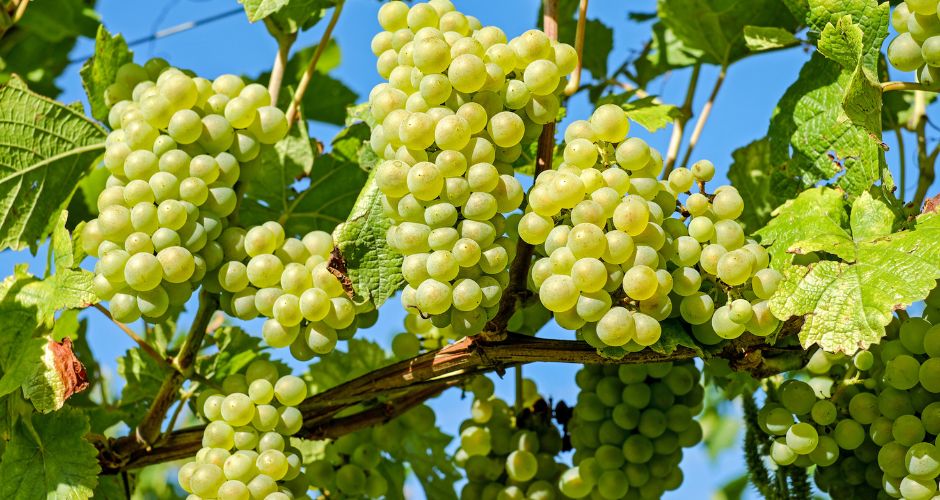
Grape Vines:
Studies into Mycorrhizal fungi’s effect on a grape’s nutritional content show increased synthesis of polyphenols, which are a critical component in wine quality. Vines inoculated with mycorrhizal fungi have improved phenolic composition, with higher levels of flavonols and anthocyanins.
High levels of anthocyanins produce grapes with a vibrant and healthy appearance which transfers to the wine. Flavonols are found primarily in the grape skin and seed. They are responsible for providing most of the antioxidant properties of wine.
Mycorrhizal fungi also have a positive effect on sugar accumulation in certain grape varieties, resulting in increased soluble sugar concentration.
Superzyme has been shown in trials to enhance root growth in young vines and ensure continued growth during the summer.
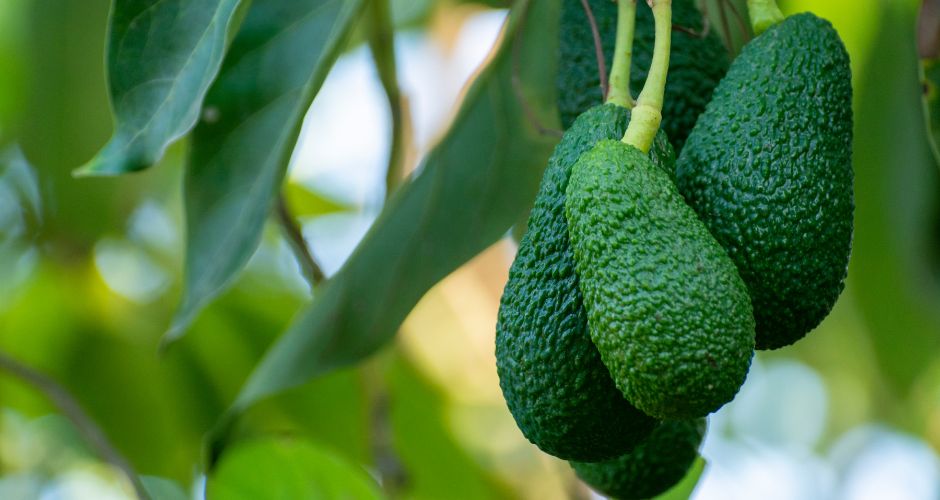
Avocado:
While Mycorrhizal fungi is beneficial to a wide range of crops, there is evidence to show that it has an especially great impact when planting avocados. Evidence suggests that avocados benefit significantly from fungal inoculation in soils with low Phosphorus levels.
This finding is particularly intriguing as New Zealand struggles with naturally low Phosphorus soil, requiring costly Phosphorus fertiliser imports. Rootella can save growers a significant amount of money by reducing reliance on expensive fertilisers.
Highlights from this study include inoculated avocados:
The optimal time to inoculate Avocado is at planting so it’s worth considering adding Rootella, Mycorrhizal fungi to your planting regime this year.
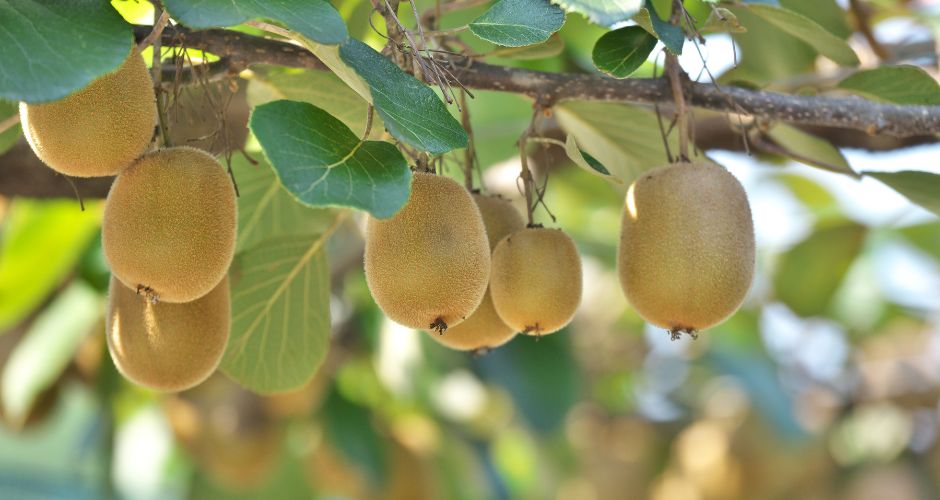
Kiwifruit:
Young Kiwifruit vines tend to have shallow spreading roots so the ability of Rootella, Mycorrhizal fungi to increase a vine’s nutrient uptake makes it not only a benefit to your crop’s growth profile, but also an investment in disease prevention. Mycorrhizal fungi suppress the ability of pathogenic fungi to proliferate in the soil around plant roots by utilising resources secreted by the kiwifruit vine, outcompeting pathogens for this resource and through various phytoalexin signalling.
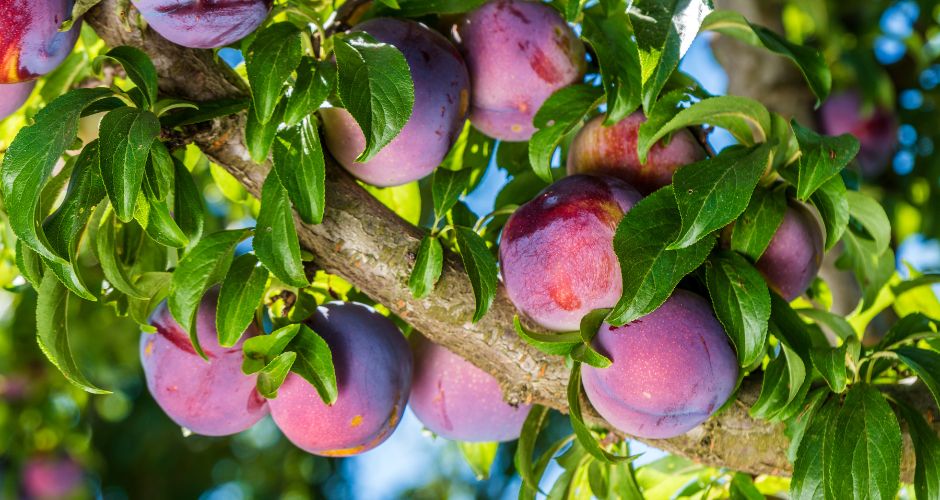
Stone and Pip Fruit:
There is evidence to show that the addition of Rootella and Superzyme in the planting of new stone and pip fruit trees improves disease resilience and reduces losses, often able to overcome complexes of pathogens, in many cases resulting in no losses at all. The use of these beneficial organisms also means growers can forgo the use of toxic soil fumigants which are both costly in monetary terms and environmentally.
Seed inoculation – vegetable crops
Inoculating your seed is a sure-fire way to ensure your vegetable crops get the best possible start.
This cover crop was inoculated using Rootella F prior to sowing.
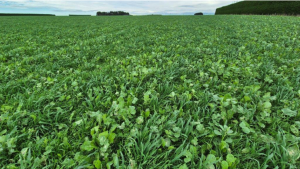
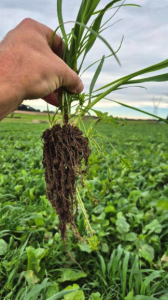
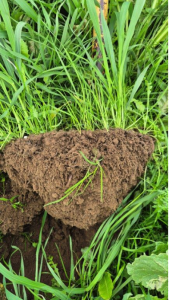
As you can see, the crop looks lush and green, the soil healthy and the roots are prolific. *Thanks to Jesse from Southern Cross Produce for these photographs.
Other benefits to growers and the environment through the use of Mycorrhizal fungi include less nematode pressure and prevention of toxic uptake by plants e.g. salt, aluminium or copper.
Mycorrhizal inoculation of plants increases all aspects of pollination through increased bee visitation, and of course the Glomalin that they secrete holds CO2 permanently in the soil reducing environmental CO2 issues.
Across all of these crops, Superzyme promotes root development and increases plant resilience by adding billions of beneficial organisms into the soil microbiome.
To be honest, there are so many advantages to adding Rootella, Mycorrhizal fungi and Superzyme to your planting program this year, can you afford to wait any longer?


