

These beautiful autumn days are to be thoroughly enjoyed and are a great opportunity to get into the garden and prepare for the colder weather we know is just around the corner.
Building resilience in your Garden
It is impossible to ignore the impacts of a changing climate. Extreme weather events can wreak havoc in the garden, causing damage to plants and soil. These events take various forms, and their impact is felt in numerous ways, including flooding and unseasonal temperatures.
A simple addition to your garden care routine is our Fulvic Acid product, Mobilizer. Fulvic Acid is often referred to as nature’s plant electrolyte and can give your garden the edge in mitigating the impacts of inclement weather.
Mobilizer not only increases mineral uptake but also helps your plants overcome stress caused by extreme weather. Strengthening the roots and improving nutrient absorption, fulvic acid helps your plants thrive under challenging conditions.
Preparing for Winter planting
Last month we talked about regenerative gardening and those of you already following this method may be preparing to sow a cover crop in areas of the garden you are not otherwise planting over the winter. Cover crops help to revitalise and energise soil, suppress weeds, mitigate erosion and provide pest control.
You may like to consider the addition of Mycorrhizal fungi when sowing your cover crop, and our Mycorrhizal fungi product, Rootella F, is perfect for this. The addition of beneficial organisms like mycorrhizae will enhance soil life and re-introduce organisms that plants require to function normally. Once the cover crop is done and you’ve dug it back into the earth, you will have a garden bed teeming with life and ready for your spring planting.

For those garden beds you are planning to fill with winter flowers or vegetables, start with clearing (or digging in) summer produce that has finished and compost anything that can be composted. Cleaning up leaves and debris helps to mitigate overwintering pathogen spores and will make it difficult for insects and other pests to invade your winter crops.
Planting with Beneficial Organisms
Choosing your winter vegetables and flowers is important. Root vegetables are perfect for this time of year along with leeks and brussel sprouts. Onions and other allium crops are highly mycorrhiza-dependent and can suffer in the absence of these beneficial organisms.
There are many beautiful flower varieties suitable for cooler weather – think camellias, polyanthus, violas and hellebore (also known as the winter rose). These blooms give a lovely splash of colour and will attract pollinators to your garden bed. If you are sowing your own seeds, the addition of Rootella, Mycorrhizal fungi and Superzyme to your growing media will greatly enhance survival rates and ensure your seed germinates into strong, healthy plants.
Superzyme, which contains two beneficial bacteria and two beneficial fungal species, promotes germination and root development. When it comes to planting out seedlings, Rootella T, is designed to be dropped into the planting hole where it will inoculate the new growing roots and thus begin a symbiotic relationship which benefits the plant, the fungi itself and the soil.
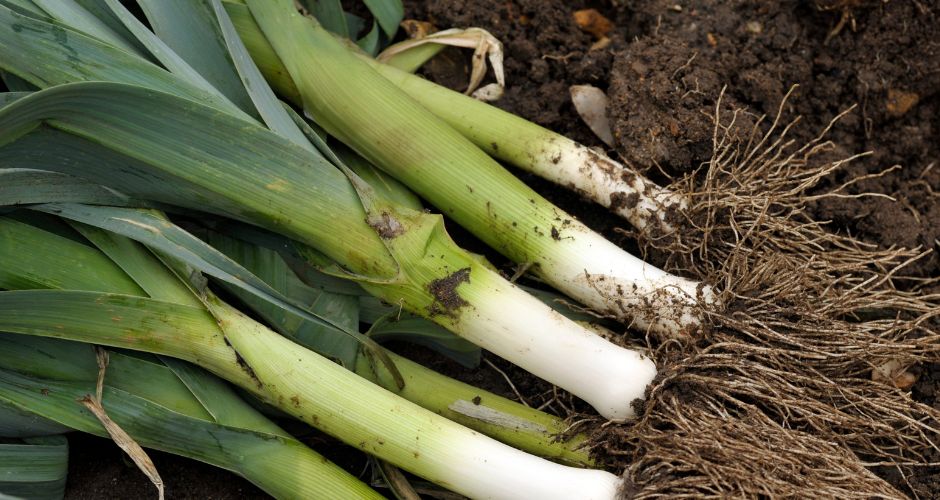
For very small seedlings, like leeks, the Rootella T bags can be broken open and sprinkled into multiple planting holes. Superzyme can also be added at this stage and then used as a foliar spray or applied into the soil throughout the season to ensure continued disease resilience and a thriving soil microbiome.
Indeed, Superzyme and Mobilizer can be used together to ensure your garden thrives throughout the year, regardless of what Mother Nature throws at it!
Frequently asked questions
Putting it all together, Keen to try these products in your garden this winter? They are all available in our Soil and Planting Bundle.


