
As the growing season progresses and crops are entering the ripening phase of their growth, the requirements for Magnesium and Iron are increasing. Deficiencies in these two vital minerals can significantly impact quality parameters and possibly yield.
Why magnesium matters for ripening crops
Magnesium is vital for photosynthesis as it forms the central atom of the chlorophyll molecule. As the focus shifts from flowering and fruiting, sufficient magnesium ensures that photosynthesis continues and any delays in crop ripening are mitigated. Beyond its role in energy production, magnesium is crucial for enzyme activation, nutrient transport, and carbohydrate metabolism.
In truth, magnesium is essential at every stage of the phenological cycle but it is often only applied when signs of deficiency become apparent. Long term magnesium deficiency will potentially delay ripening and even impact bud initiation, affecting the next year’s crop production.
The synergy and challenge of magnesium and phosphorus
Phosphorus is another critical nutrient providing plants energy and, along with magnesium, it also supports photosynthesis so that crops ripen quickly. Phosphorus and magnesium work synergistically, the availability of phosphorus directly impacting the uptake of magnesium by crops. In hot, dry weather, and cold, wet weather minerals like phosphorus are hard for plants to access via the soil, further exacerbating deficiencies.
This makes it essential to balance these nutrients carefully to ensure crops reach their full potential.
The role of iron in crop quality parameters
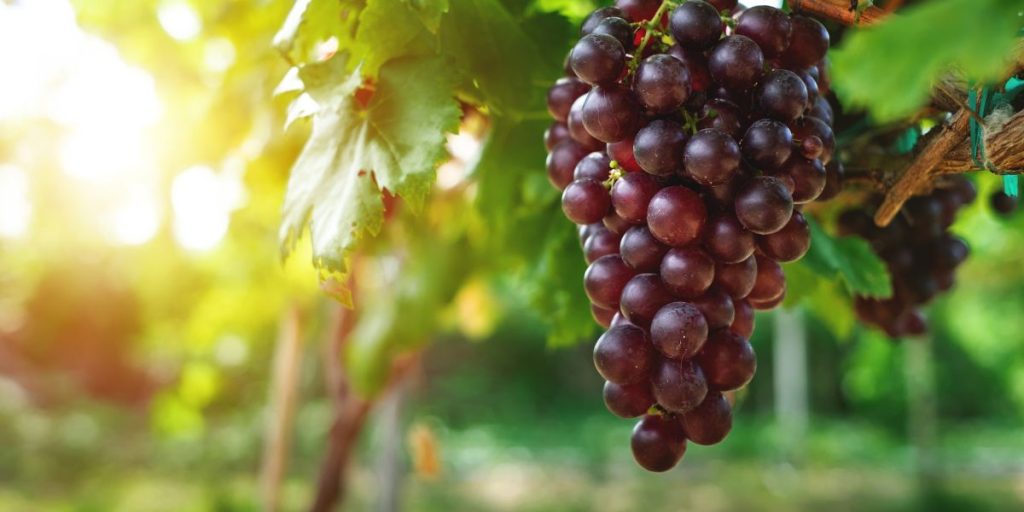
Iron is indispensable for plant health, playing a key role in chlorophyll synthesis and oxygen transport within the plant. This function is especially important for crops producing red fruits, such as red grapes, where iron supports the development of vibrant colouration. Environmental factors, like dry weather, make deficiencies more likely during this critical stage. Without adequate iron, red fruits can appear pale or unevenly coloured, directly impacting marketability and consumer appeal. In the vineyard, iron deficiency will ultimately impact the quality of red wine as iron is important for production of sugar and anthocyanins.
The heightened demand for iron during the ripening phase requires management to ensure quality parameters are met.
Take action for better yields and quality
As ripening progresses, don’t let nutrient deficiencies hold your crops back. By incorporating BIOMIN Magnesium and BIOMIN Iron into your management programme, you can address increased nutrient demands for plant health, and achieve better quality yields.
BIOMIN Magnesium and BIOMIN Iron
To combat these common nutrient deficiencies, BIOMIN offers specialised solutions designed to deliver essential nutrients in bioavailable forms, ensuring rapid uptake and effectiveness.
BIOMIN Magnesium provides a highly bioavailable source of magnesium to support chlorophyll production, energy transfer, and overall plant health during ripening. Applied as a foliar spray, its advanced formulation ensures that magnesium is readily absorbed by plants to quickly address deficiencies and ensures that plants photosynthesize at optimum levels for commercial production.
BIOMIN Iron is specifically formulated to combat iron deficiencies, delivering glycine-chelated iron that is easily taken up by plants. This product is especially beneficial for red fruit crops ensuring colour and other quality parameters are met for commercial growers.


