

Thank you to the dedicated growers cultivating various cold-hardy vegetables, ensuring that healthy and fresh foods are on our plates during the colder months. These include onions, garlic, potatoes, spinach, cabbage, cauliflower, broccoli, brussels sprouts, and kale.
During winter, growers continue to create an environment that promotes robust plant growth by nurturing healthier soil through practices such as nutrient management, organic amendments, and utilising products like Mobilizer and Superzyme.
A healthier crop is better equipped to resist diseases, reducing the need for chemical interventions and fostering sustainable agriculture.
Mobilizer:
Both in glass houses and paddocks, growers recognise the significance of providing their crops with the necessary nutrients to thrive. Mobilizer, a trusted companion for farmers, acts as a catalyst, enhancing nutrient uptake and promoting overall plant health. By mobilising nutrients and improving soil fertility, Mobiliser ensures that winter crops receive the essential nourishment they require for optimal growth and resilience.
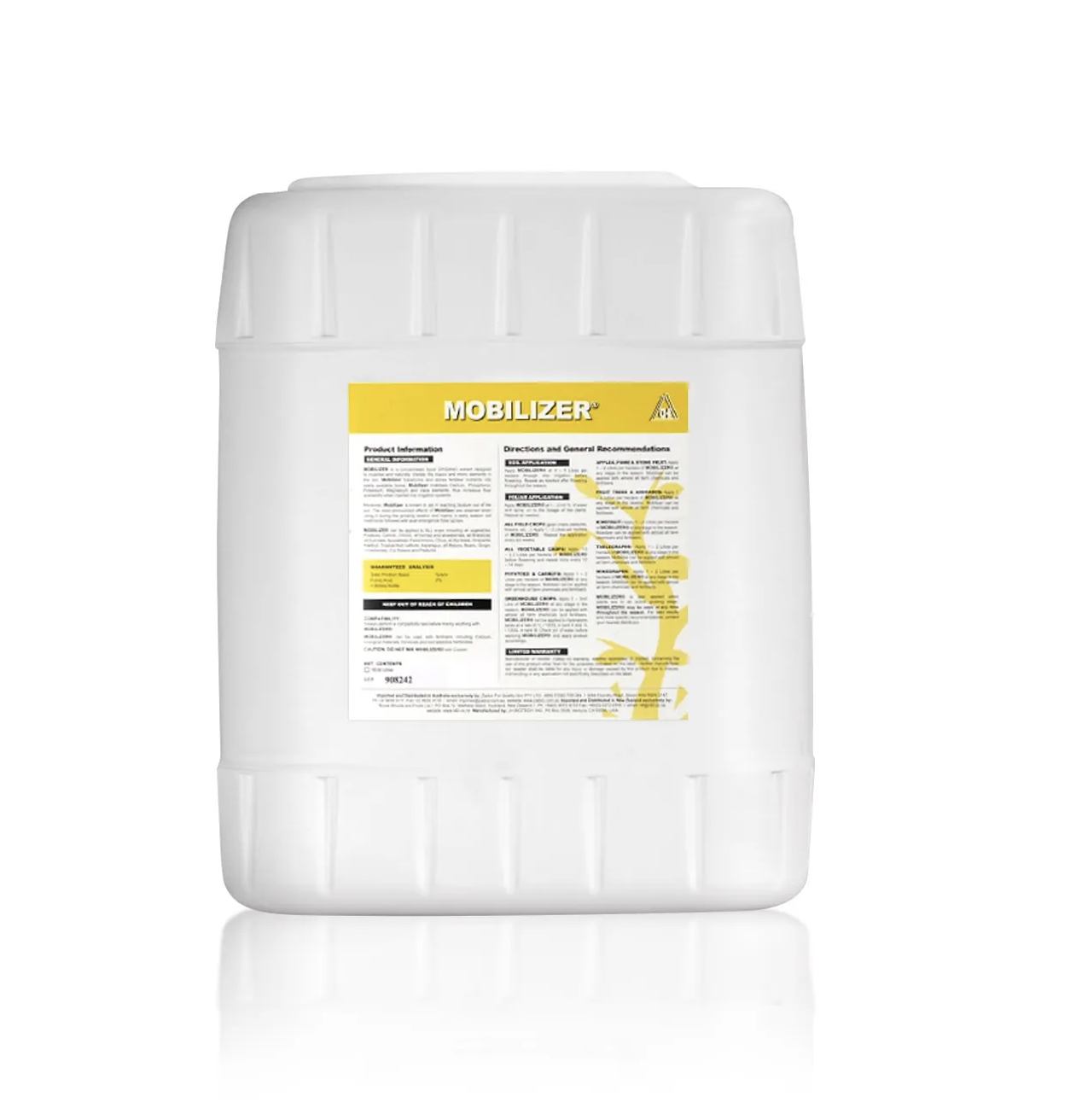
Additional benefits include:
- Increasing crop yield and quality
- Reducing loss of minerals to leaching
- Enables plants to withstand periods of extreme conditions – heat and cold
- Improving the transport of all nutrients within plants
- Binds toxins
A recent trial showed that Mobilizer increased potato weights by 40%. Read the full report here.
Superzyme:
Winter fodder crops such as kale perform well when treated with Superzyme. Recent trials reveal remarkable outcomes, showcasing the effectiveness of Superzyme in supporting kale growth and vitality and promoting healthy soil and plant microbiology. Superzyme strengthens crops and helps ward off pathogens. It shows how investing in soil and crop health benefits the bottom line.
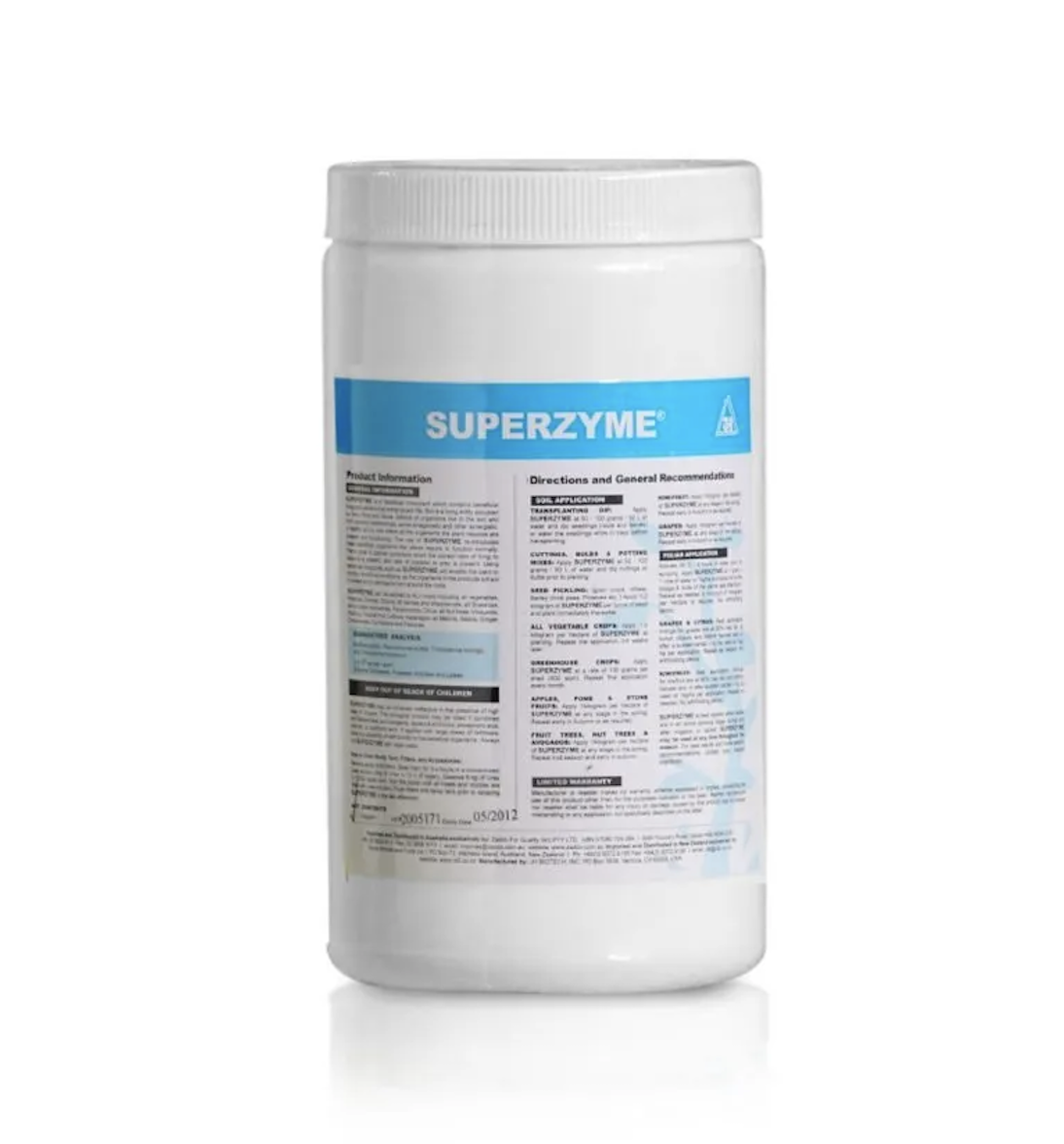
The recent kale trial compared dry matter yield outcomes using a Superzyme biological treatment. The table below shows the dry matter yield assessment that was taken on the 1st of June, 2022, and samples for each block were sent to the Canterbury Feed Assessment laboratory.

Overall the trial results show that Superzyme applied at 200 grams per hectare costing $35.85, provided the grower with an additional $1,183.69 per hectare of supplementary feed after input cost or an additional $11,836.90 over the 10Ha block.
To read the full trial, go here.


